Circular Narratives
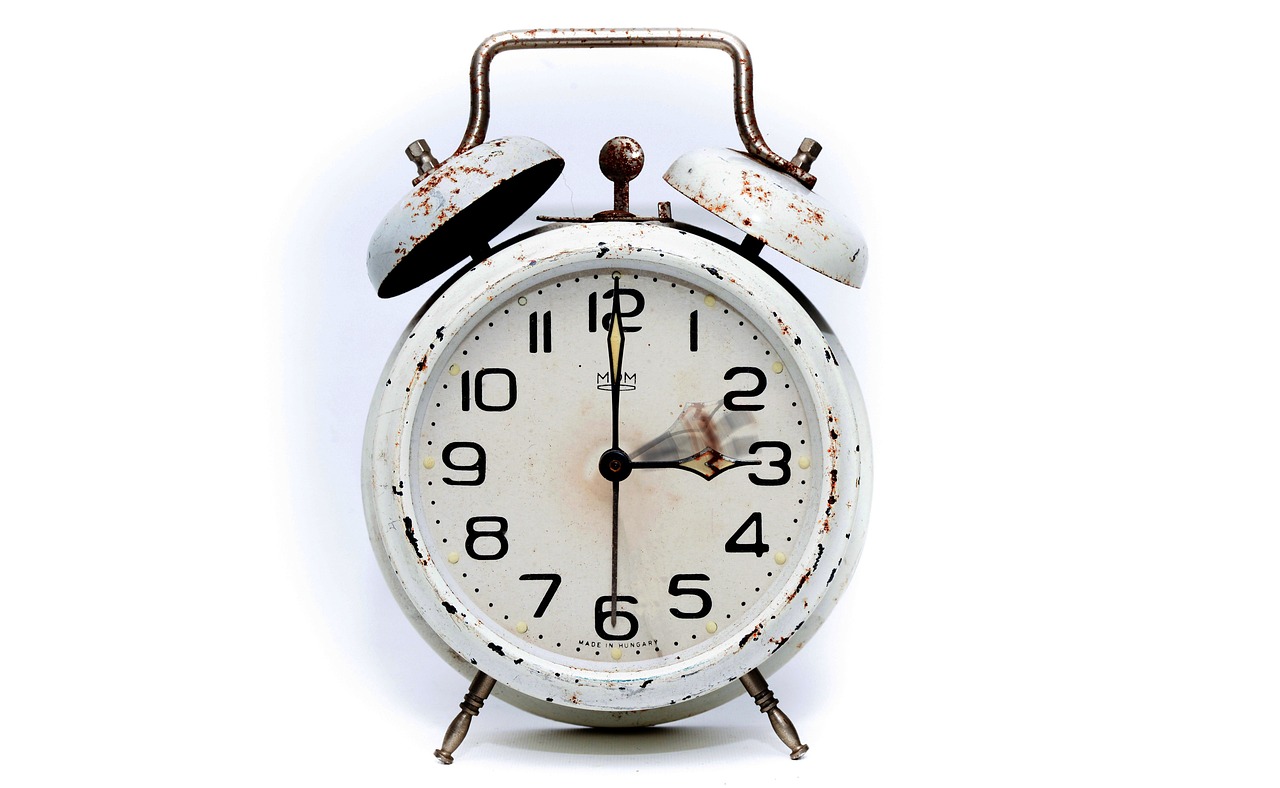
Most stories have a villain: a person, a system, a force. But a stranger and more unsettling kind of book makes the timeline itself the source of dread. In these novels, events are shuffled, reversed, or layered so that cause and effect stop behaving, and the reader's own sense of sequence becomes the thing under threat. It's not that time is broken. It's that time is doing something deliberate, and you're the one caught in it.
What makes a timeline villainous rather than merely tricky? Intent matters less than effect. A shuffled chronology that exists only to show off feels like a puzzle. A shuffled chronology that makes you feel the helplessness of a character who cannot change what's coming — that's a villain. The order of chapters becomes a kind of pressure, and the reader experiences the story the way its characters experience their lives: out of control, out of order, and painfully aware that knowing the future doesn't mean you can stop it.
Writers pull this off with a few recurring techniques. One is the reverse reveal: you learn the outcome first, then watch the causes accumulate, which turns every ordinary scene into a countdown. Another is the braid, where two or more timelines interleave so tightly that you can't tell which one is 'now' — and the confusion is the point, because the characters are equally disoriented. A third is the loop with a memory gap, where a character repeats a period of their life but retains fragments of the previous pass, creating a kind of existential dread that no monster could match.
The best of these books don't just disorient. They use disorientation to say something about grief, trauma, addiction, or love — states where time genuinely stops behaving. When a narrative refuses to move forward, it can be because the protagonist's psyche refuses to as well. The structure becomes a symptom, and the reader, by living inside it, understands the character from the inside out.
Don't fight the confusion. Take notes if you need to — a simple timeline in the margins is allowed, even encouraged. Pay attention to tense shifts, repeated scenes from different angles, and objects that appear in more than one era. Most importantly, ask what the disorder is doing emotionally. Is the book trying to make you feel trapped? Nostalgic? Suspicious of your own memory? The answer usually points to the theme.
These aren't comfort reads, but they're unforgettable ones. A villain you can name is one thing. A villain made of hours is another — and once you've read a few, you start noticing how much of ordinary life is already arranged by forces you can't see, moving you forward whether you like it or not. That recognition, uncomfortable as it is, is exactly what these books are after.
