Circular Structures
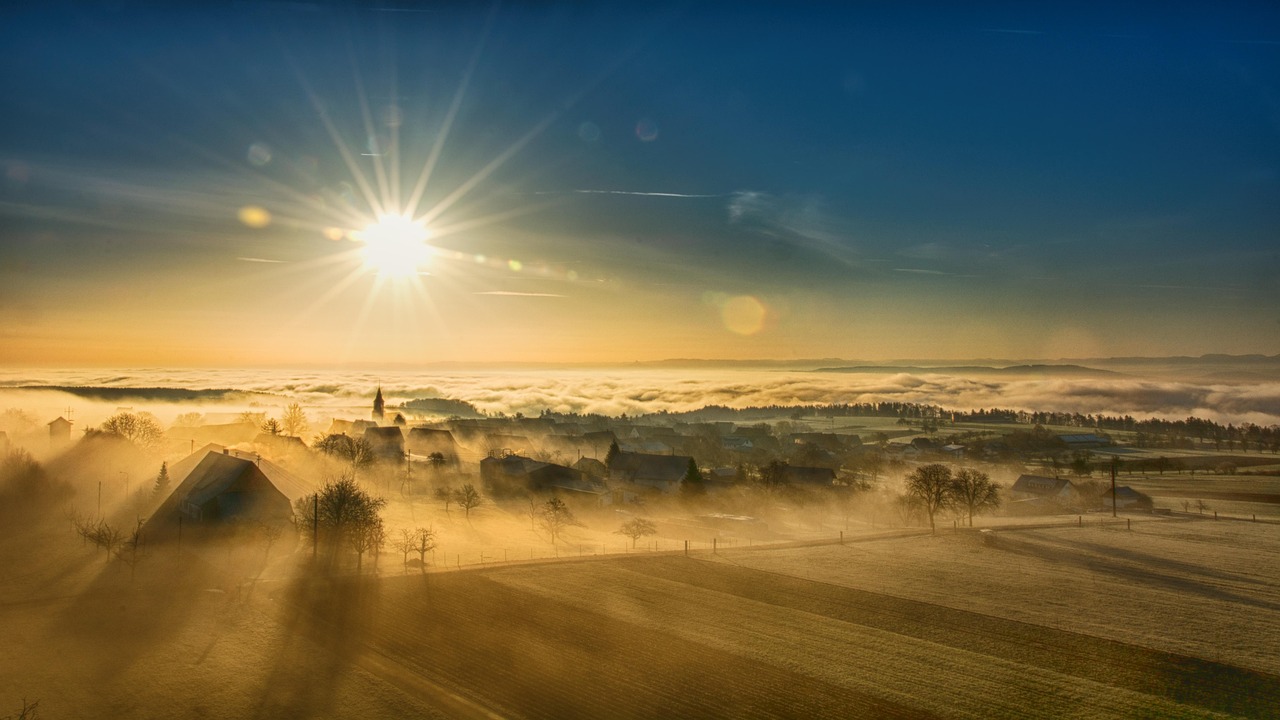
We usually think of circular storytelling as a plot device. A character repeats a day, a week, a conversation. But some of the most haunting loop narratives make the setting the trap. The house does not let you leave. The town resets every Sunday. The ship sails the same route forever. In these books, place is not backdrop; place is antagonist, memory, and clock all at once.
This is a harder trick to pull off than it sounds. A repeating day in a generic city quickly becomes tedious. But a repeating day inside a very specific place, with its own rules and textures, starts to feel like a character with a will. The reader learns the geography the way a prisoner learns a cell. Every doorway matters. Every window becomes a possible escape that has already been tried.
When a building refuses to release its occupants, the building starts to feel alive. Hallways that lead back to the same room. Staircases that go down and arrive upstairs. A garden that blooms in the same week every year no matter what season it should be. These details are not just spooky set dressing; they are the mechanism of the loop itself.
Authors who do this well tend to withhold explanation. The house does not announce its rules. The characters discover them by breaking them, and the reader discovers them alongside. This shared discovery is what makes the setting feel like a character rather than a puzzle box. You are not solving the house. You are learning to live with it, which is a much more unsettling experience.
There is also a social dimension to place-based loops. A town that repeats its founding festival every year is not just stuck in time; it is stuck in a version of itself. The loop preserves an old hierarchy, an old grudge, an old romance. Everyone knows their role, and no one can audition for a new one. The circularity becomes a metaphor for communities that refuse to change, and the protagonist's attempt to break the loop becomes a political act as much as a supernatural one.
Readers are drawn to these books for the same reason we are drawn to haunted houses and abandoned asylums. A place that holds its history visibly is a place where the past is not safely over. We like the shiver of that. We like the idea that somewhere, a room is still warm from a conversation that ended badly a hundred years ago.
But the best trapped-place novels do something more than shiver. They ask what it would take to leave. Not physically, but emotionally. What would you have to give up to stop repeating the same argument, the same mistake, the same year? The setting is the symptom. The cure lives in the character.
If you are writing in this vein, resist the urge to explain the loop's origin too early. Let the place accumulate contradictions. Let the characters map it imperfectly. And when the break finally comes, make sure it costs something. A loop that ends for free was never really a loop. It was just a detour.
